
Our Extensive Aftercare Approach
Teen Challenge Ranch believes that a critical factor in the success of the boys in our aftercare program is We continue to work with boys and their families after the residential portion of the program is completed. The aftercare portion of the program is designed to last at least six months. We continue to work with the student and his family and help with any transition issues he may face when returning home.
Our boys ranch begins helping our students to make this transition several months before they complete the residential portion of the program. An aftercare plan is developed with the child, parents, probation officers, etc. We approach each student on an individual basis. We understand that each boy has unique needs, family situations, educational challenges, and aptitudes.
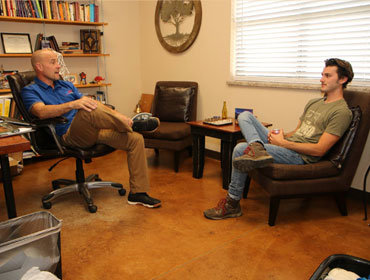
After completing the program’s residential portion, the Aftercare Coordinator also maintains regular contact with the student. He regularly contacts the student and family to check on progress. When possible, in-home visits are often scheduled (if the family wants that to happen). During the visits/calls, the following is discussed:
- Re-entry into the home environment,
- Transitions to and challenges with new educational facilities,
- Vocational activities and goals,
- Relapse prevention issues,
- Interpersonal issues,
- The student’s conduct and behavior.
Students showing significant difficulty transitioning back into society and/or participating in at-risk or delinquent behavior can be returned to Teen Challenge Adventure Ranch for a limited time. After re-stabilization, the previous aftercare plan is evaluated, and appropriate changes are made to better assist the student with transitioning.