Drug and Alcohol Substance Abuse Treatment for Teen Boys
Teen Challenge Adventure Ranch is a dual-diagnosis teen treatment facility for boys ages 14-17. Our Christ-centered program helps teens overcome substance abuse dependencies and addiction through a combination of trauma-informed clinical therapy, outdoor adventure and spiritual development.
Substance Abuse Treatment for Drugs and Alcohol
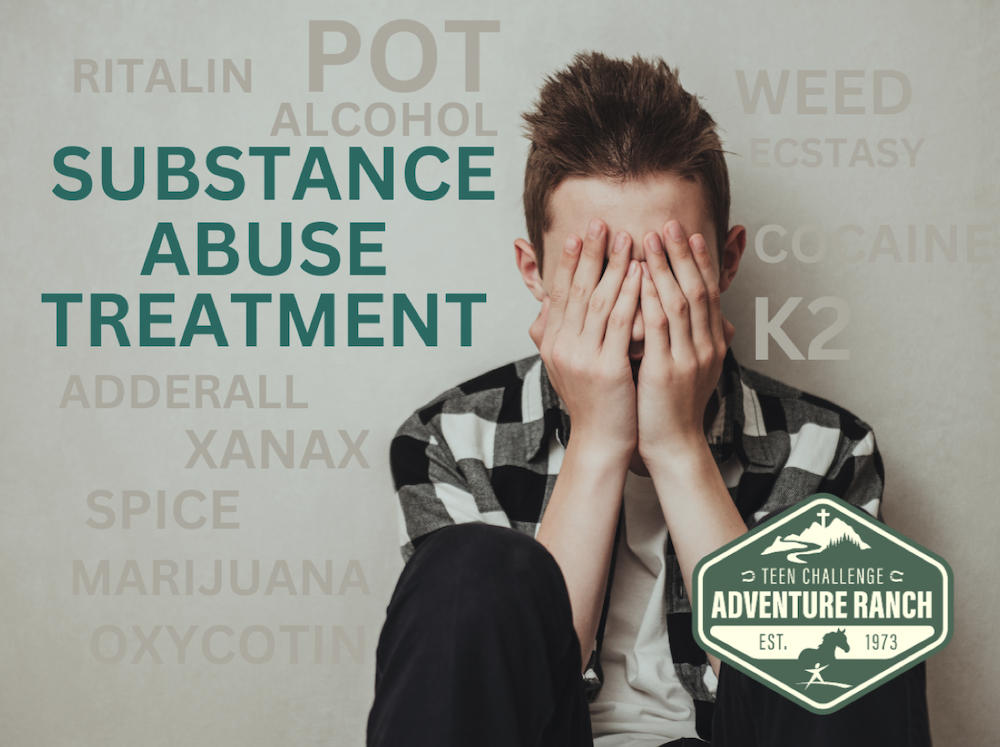
Substance abuse includes the use of illegal substances including alcohol and cannabis (marijuana), the misuse of prescription drugs, or the use of injection drugs like heroin or methamphetamine. According to the Centers for Disease Control & Prevention (CDC), drug use, even if occasional, is associated with sexual risk, violence, mental health, and suicide risk.
The most common drugs abused by teens are:
- • Alcohol
- • Marijuana
- • Prescription Drugs
- • Ecstasy
- • Cocaine
- • Synthetic Marijuana
Treating teens for substance abuse problems involves a combination of detoxification, stabilization, addiction counseling, therapy for underlying causes of substance abuse, and opportunities to learn healthier coping strategies.
Teen Challenge Adventure Ranch provides an immersive, Christ-centered residential program designed to help teens overcome drug and alcohol addiction.
What Drug and Alcohol Abuse Looks Like in Teens
Different types of drugs produce different results. Depressants like alcohol and marijuana can decrease normal activity while stimulants like Ritalin or Adderall might increase activity. Here are some common behavior changes that you might notice:
- • Sudden change in personality
- • Increased moodiness or aggression
- • Strange odors on clothing
- • Abnormal pupil size (either very small, pinprick size pupils or very large, dilated pupils)
- • Staying up all night and sleeping all day
- • Radical changes in friend groups, interests, and activities
It’s important to note that many of these symptoms are also symptoms of simply being a teenager. You know your child the best. Take some time to evaluate the frequency and severity of behaviors, along with other indicators like finding paraphernalia in your home or hearing your teen talk using language that feels familiar with certain brands or products.
Why Teen Treatment for Substance Abuse is Important
Alcohol and drugs can deplete the brain of important hormones like serotonin and dopamine, causing or increasing the severity of depression and other mental illnesses. And, because teens are still developing, there is a serious risk that alcohol or drug abuse will impair the teens ability to regulate emotions as they grow. This can lead to explosive outbursts, aggression, and physical violence.
If your family is struggling with uncontrolled and challenging teen behavior, alcohol or substance abuse may not be the only problem. These dependencies often co-occur with other mental or behavioral health conditions like ADHD (attention-deficit hyperactivity disorder), DMDD (disruptive mood dysregulation disorder), major depressive episodes, generalized anxiety disorder, and ODD (oppositional defiance disorder).

When Is a Residential Therapeutic Program the Right Choice for Teens Struggling with Drug and Alcohol Abuse?
While it is common for teens to experiment and try new things, including drugs or alcohol, developing addiction-forming habits is a serious concern. More than 2 million teens have used illegal drugs or alcohol in the last month with about half of all teens trying drugs or alcohol by the 12th grade.

Drug and alcohol abuse in teens comes with real risks. Are these risks you are willing to take?
Many families will choose a residential treatment program for drug or alcohol abuse at the first sign of trouble. Due to the nature of addiction, it often takes a long-term commitment to fully overcome the physical and emotional dependencies of a substance.
You might consider a residential therapeutic program when:
- • Your teen has co-occurring substance abuse and mental health needs.
- • Short-term (30-90 day) programs have failed.
- • There is a pattern of seeking out or escalating high-risk drug use behaviors.
Why Choose Teen Challenge Adventure Ranch for Teen Treatment
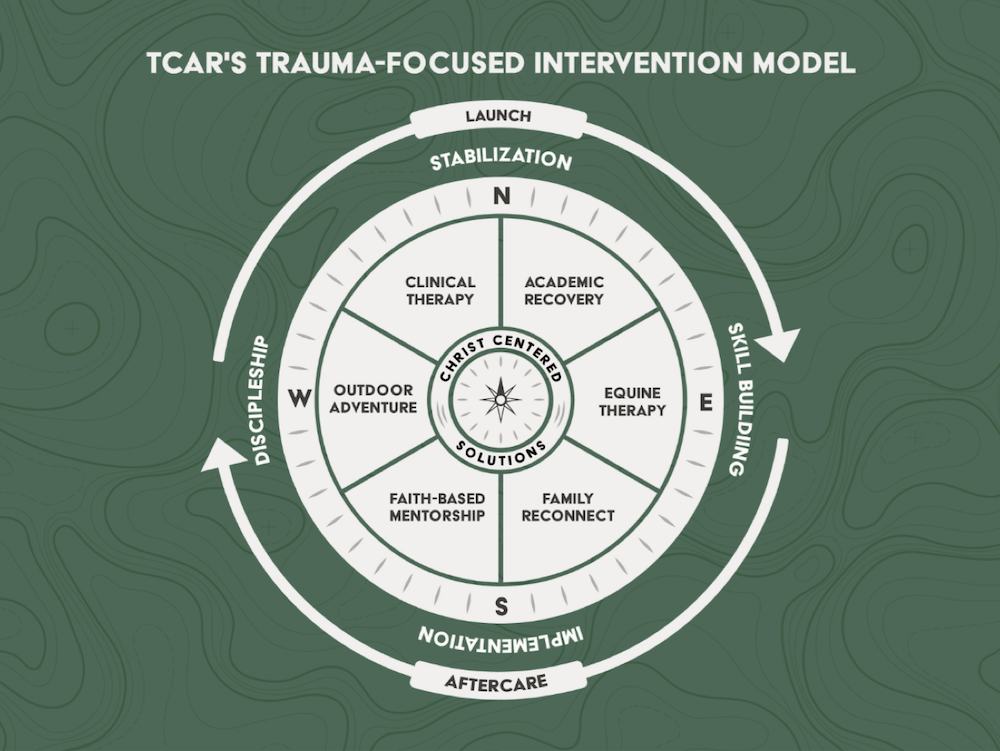
We provide holistic therapeutic interventions designed to stabilize behaviors, engage teens in therapeutic treatment, address root cause mental health issues, and build decisions-making and academic skills for long-term success. We only work with teenage boys.
Our drug and alcohol abuse treatment program focuses on helping boys understand their diagnosis and develop healthy coping strategies to handle difficult emotions instead of self-medicating with alcohol or drugs.